SCOTUS Victory on ‘Conversation Therapy’: Counselors Are Engaged in Free Speech.
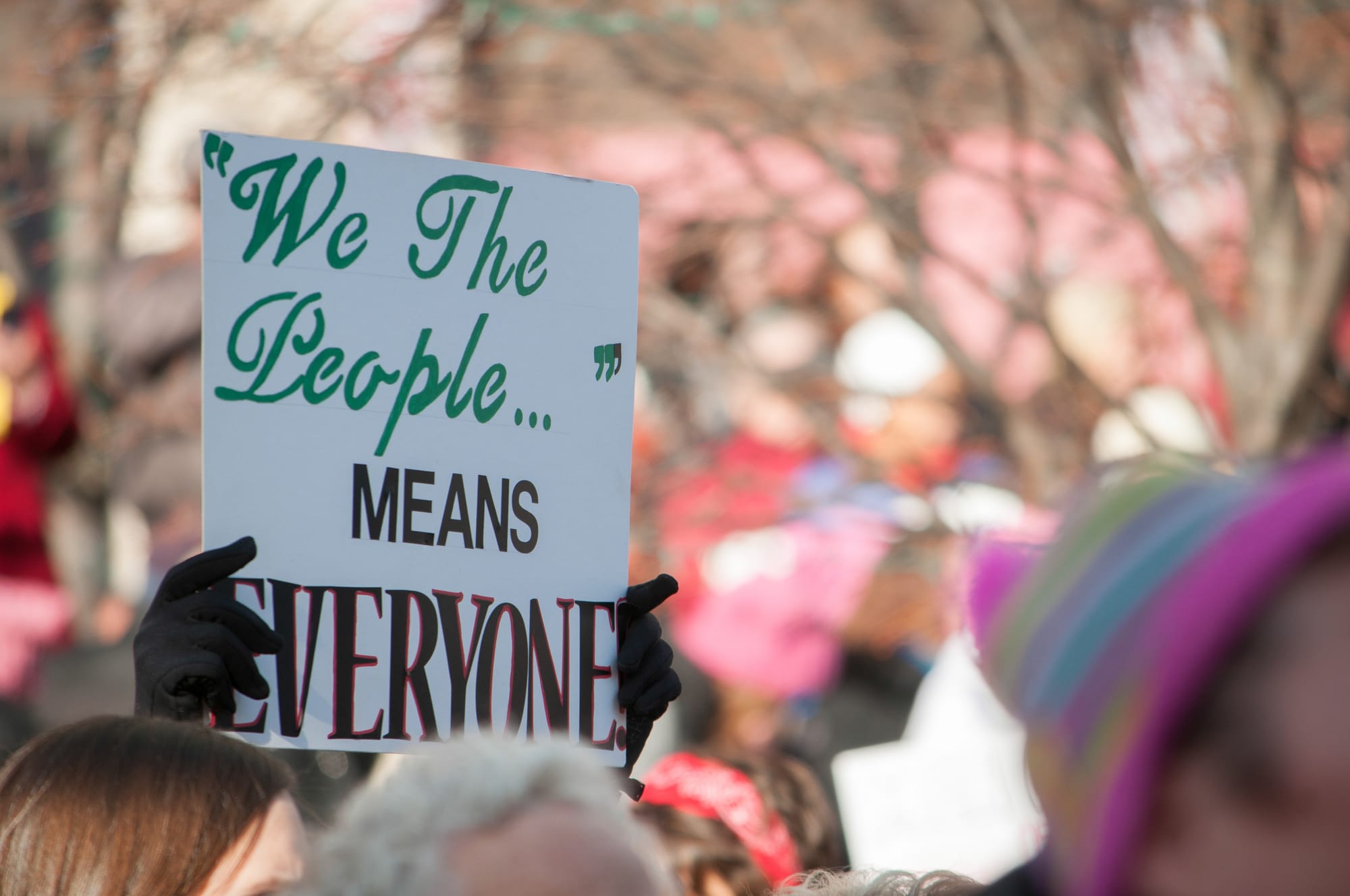
Below is a clear explanation on what can and cannot be done to save our children.
What effect will this have? The Supreme Court this week ruled 8-1 against a Colorado “conversion therapy” law that banned therapists from helping minors align their “gender identity” with their biological sex.
Here’s a clear, neutral, and grounded explanation of what effects the Supreme Court’s 8–1 ruling is likely to have, based on the information from your open article and broader legal context. I’m not taking a political position—just laying out the practical implications.
🧭 What the Ruling Actually Does
- The Court ruled that Colorado’s ban on “conversion therapy” for minors—specifically talk‑based counseling aimed at aligning gender identity with biological sex—likely violates the First Amendment because it restricts certain viewpoints while allowing others.This ruling applies to speech‑based therapy, not medical procedures or prescriptions.
📌 Likely Effects of the Ruling
1. Many State Laws Will Be Vulnerable
More than 20 states have laws restricting or banning “conversion therapy” for minors. This ruling signals that any law that bans one viewpoint but allows the opposite (e.g., banning counseling toward accepting biological sex but allowing counseling toward transition) is constitutionally suspect.Effect:
- Expect lawsuits challenging similar laws in other states.
- Some states may revise or repeal their laws preemptively.
2. Counselors Will Have More Freedom in Talk Therapy
The Court emphasized that talk therapy is speech, not medical conduct.Effect:
- Counselors can discuss a wider range of perspectives with minors.
- States cannot dictate which viewpoints are allowed in counseling sessions.
This does not legalize harmful practices like coercion or physical interventions—those remain regulated.
3. A Major Precedent for “Viewpoint Discrimination”
The ruling reinforces a long‑standing First Amendment principle:Government cannot allow one side of a debate while banning the other.Effect:
- Future laws involving professional speech—therapy, education, medical counseling—will face stricter scrutiny.
- Courts will likely strike down laws that regulate speech based on ideology rather than safety.
4. Impact on Gender‑Related Policy Nationwide
Because the case involves gender identity and minors, it will influence ongoing debates about:
- School counseling policies
- Parental rights
- Medical vs. psychological approaches to gender dysphoria
- State authority to regulate professional speech
Effect:
- States with strong restrictions on gender‑related counseling may need to rewrite them.
- States that want to regulate harmful practices will need to craft laws that regulate conduct, not speech.
5. More Litigation Is Almost Certain
This ruling doesn’t end the issue—it opens the door to more cases.Effect:
- Lower courts will now apply this precedent.
- Advocacy groups on both sides will likely file new lawsuits.
- The Supreme Court may eventually take up a broader case on professional speech.
🧩 Bottom Line
The ruling’s biggest effect is expanding First Amendment protections for counselors and limiting states’ ability to regulate talk‑based therapy based on viewpoint. It will likely reshape how states craft laws around gender identity, minors, and professional speech.